Notes on 'Qohelet (Ecclesiastes)'
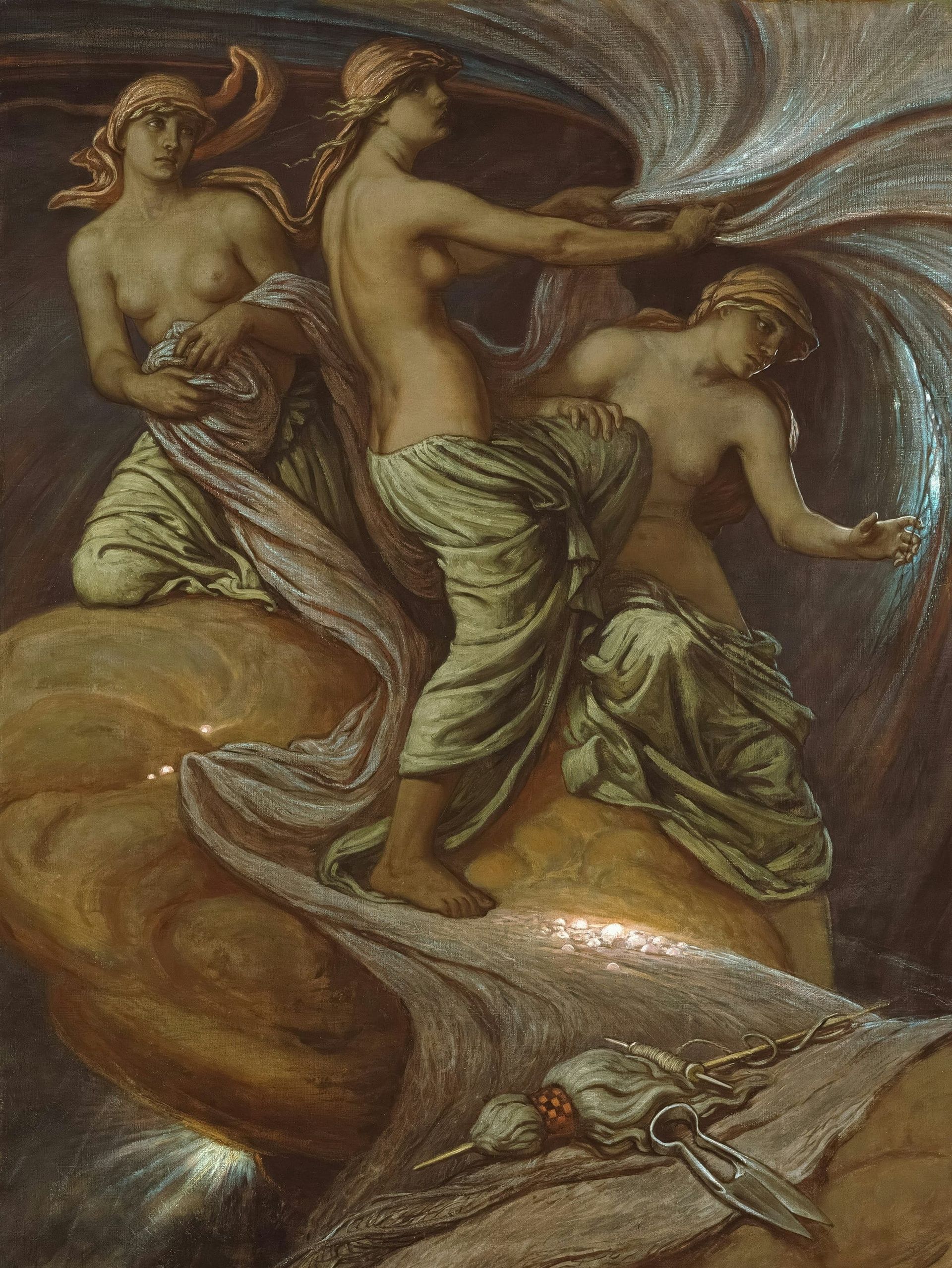
Author: "Qohelet, son of David", The Hebrew Bible - Robert Alter
Qohelet is the most heretical book in the biblical canon. Yet that is exactly what makes it the most honest.
Qohelet does not present God (or Divine reality) as a redemptive, benevolent entity. Rather, he describes 'elohim as an apathetic, arbitrary figure. In this view, God selects a lucky few who get to smell the roses before meeting their grim fate. Ultimately, human endeavors are like the wasted ephemerality of exhaled breath.
But this inclusion in the biblical cannon was an intelligent and important choice. Qohelet presents the rational questions that self-examined people seem to wrestle with. And better to name the tension than long that it disappears. Here are the ones that struck me the most.
There is nothing new under the sun
Generations come and go. The winds leave and return. The sun rises and falls. For Qohelet, anything "new" has been around for eons. His cyclical view of reality echoes eastern thought. Yet Qohelet diverges from that by seeing God as the one who placed humanity into this pointless cycle.
All is mere breath and herding the wind
What does the sage have over the fool? The righteous over the crooked? If everything returns to dust, then seeking wisdom is akin to herding the wind. Thus all striving is a mere breath — a vanity of vanities. And Qohelet takes this further, saying "...it is an evil business that God gave to the sons of man to busy themselves with" (Qohlet 1:13). I think 'evil' here means miserable and futile, rather than morally wrong.
And I saw that wisdom surpasses folly as light surpasses darkness.
- Qohelet 2:13
Natural pleasures are an arbitrary gift from God
If you enjoy good food, good wine, and do good work; then congratulations! You've been chosen by God's hand. But this, too, is mere breath and herding the wind. Yet Man might as well enjoy the natural, worldly pleasures before his inevitable destruction.
...it is fit to eat and to drink and enjoy good things in all his toil that he toils under the sun in the number of days of his life that God gave him, for that is his share.
- Qohelet 5:17
But he who offends God is not so lucky.
Everything has a season
We should rise and fall with the tides despite their seemingly meaningless ebb-and-flow. Be merry in good times; mourn during dark hours. This idea mirrors the Hindi Dharma. It also parallels Enoch, which notes celestial bodies — a metaphor for natural reality, "...all rise and set in order each in its season, and do not transgress against their appointed order" (1 Enoch 2:1).
A time to be born and a time to die†.
A time to plant and a time to uproot what is planted.
- Qohelet 3:2
† Check out Introduction by Shaun Martin
Member discussion